
On-site ALLMI, forklift and MHE training UK
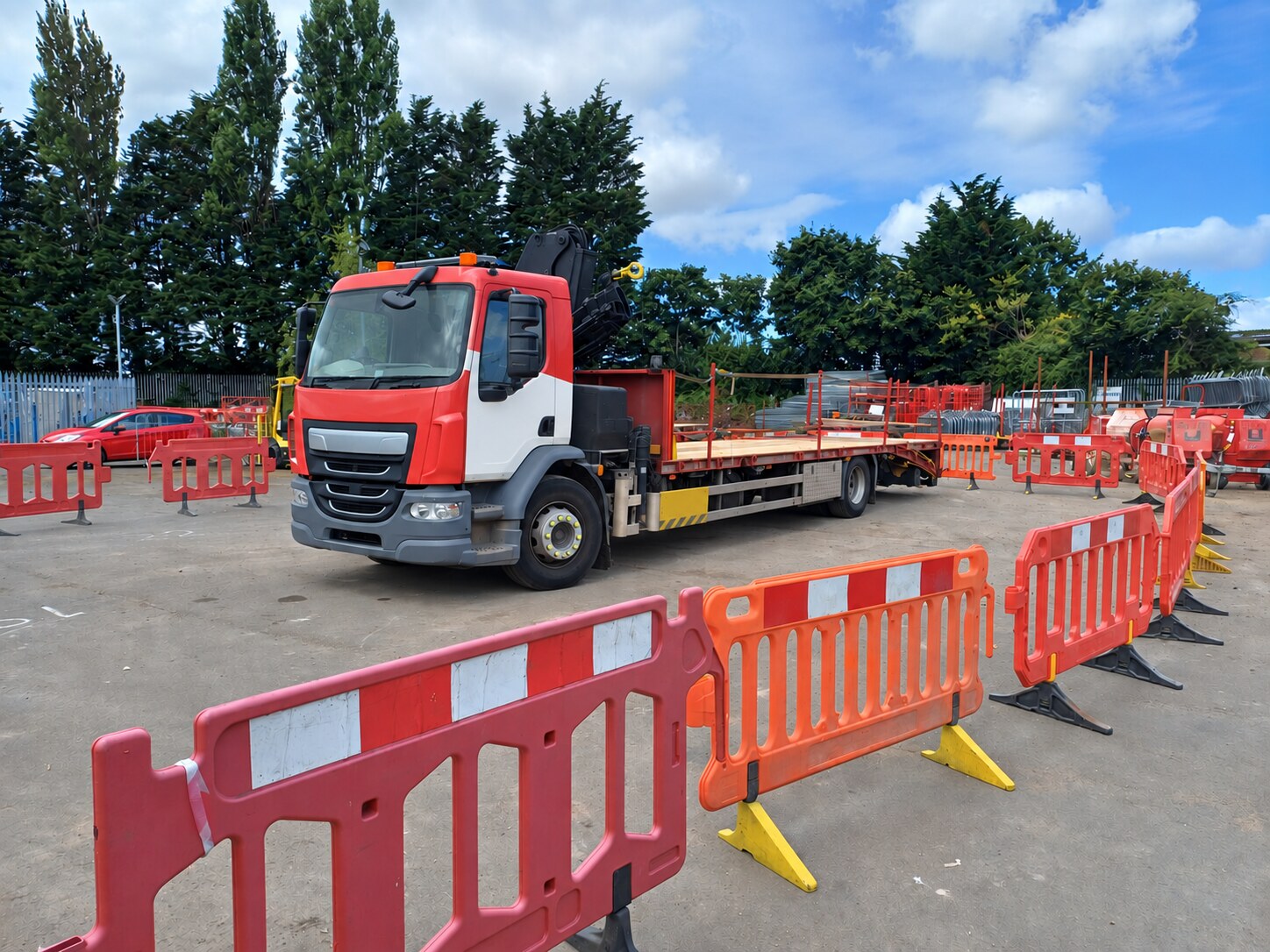
MHE Training UK provides professional on-site weekday and weekend training for materials-handling equipment operators. We specialise in ALLMI Lorry Loader Operator training and ALLMI Slinger / Signaller training, alongside forklift, reach truck, counterbalance, VNA, scissor-lift, overhead-crane and other workplace MHE courses.
Training is planned around the machine, attachments, loads, candidate experience and practical area at your site. Using the employer’s own suitable equipment helps candidates relate the course directly to the controls, layout and operating conditions they will encounter after training.
Choosing the correct training route
| Requirement | Training route |
|---|---|
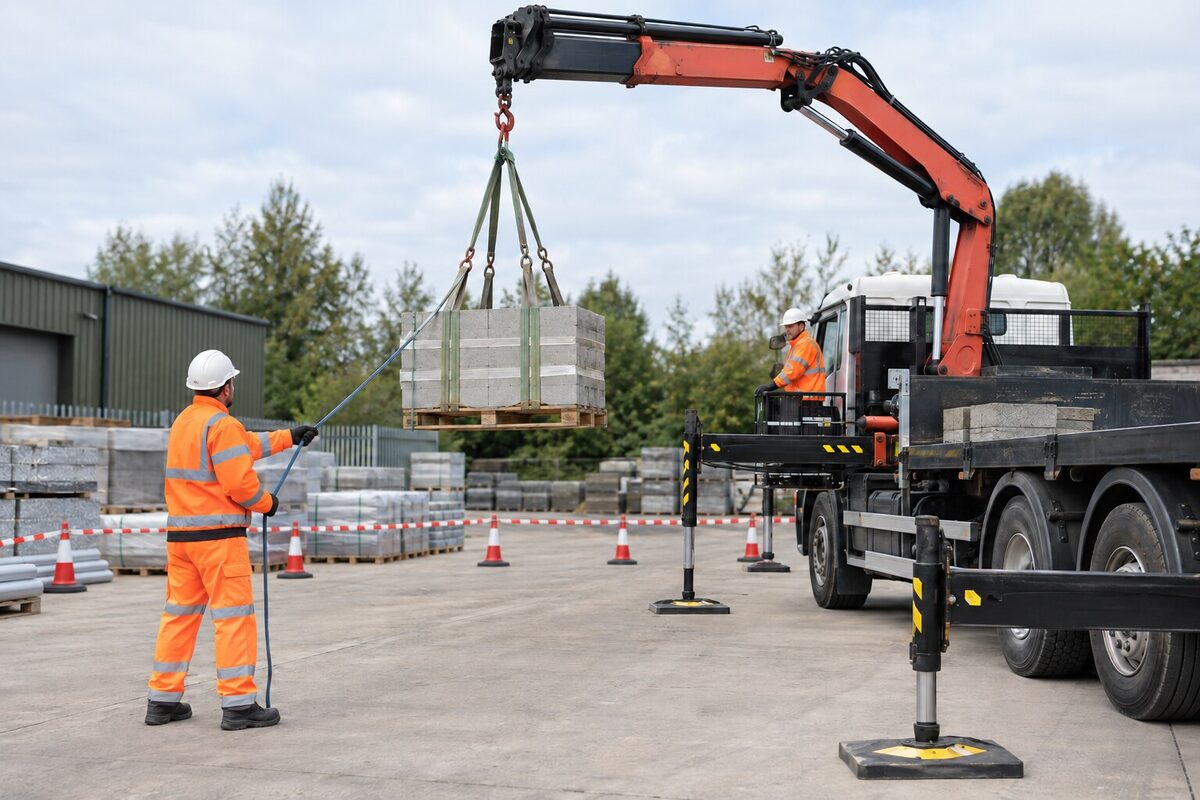
| Operate a vehicle-mounted loader crane / HIAB | ALLMI Lorry Loader Operator |
| Attach, control or direct suspended loads | ALLMI Slinger / Signaller |
| Forklift or warehouse truck operation | Forklift & MHE course directory |
| Specialist or unclear machine category | Machines We Train On |
Candidate experience should be confirmed before a date is agreed. Novice, experienced and refresher routes have different requirements, so the course should be matched to the operator rather than shortened simply for convenience.
- Tell us the exact machine or lorry-loader category and any attachments.
- Confirm candidate numbers and previous operating experience.
- Provide a safe practical area and representative workplace loads where required.
- Send the site postcode and any induction, access or security requirements.
- Choose suitable weekday or weekend dates from the live availability page.
Nationwide weekday and weekend training is available subject to Damian’s live diary, travel arrangements and site suitability. Follow the ALLMI training by county directory, course index, machine catalogue and Knowledge Hub for more detail.
Popular on-site forklift and MHE courses
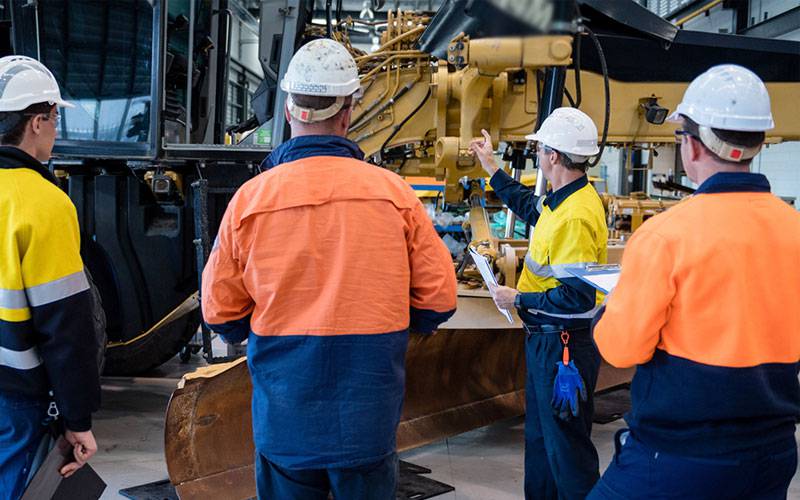
- B1, B2 & B3 Counterbalance and J1 Rough-Terrain Counterbalance training
- D1, D2 & D3 Reach Truck training
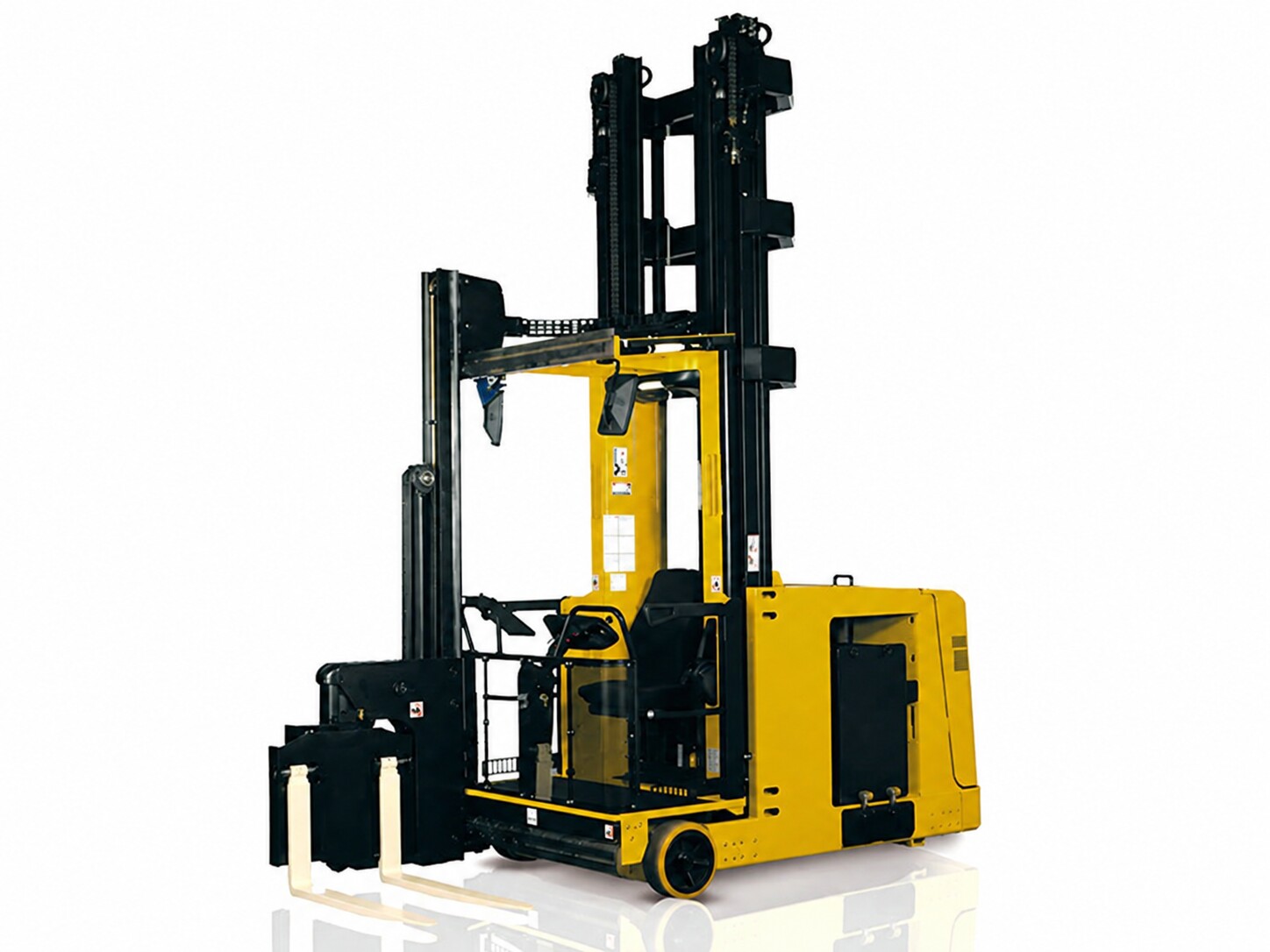
- F1 & F2 VNA forklift training
- J2–J5 Telescopic Handler training
- T1 Vehicle-Mounted Lift Truck training
- Pallet Truck and Pallet Stacker training
For specialist categories including sideloaders, multidirectional trucks, pivot steer, container handlers, reach stackers, order pickers, MEWPs and workplace cranes, use the complete Machines We Train On directory.
We provide training materials that are reviewed against current standards and guidance, and we update our methods and handouts as requirements and good practice develop.
MHE Training UK delivers training directly and plans each course around the machine, candidates and workplace. You deal with the instructor responsible for planning the job, travelling to site and delivering the training and assessment. Ask about the equipment, course route or workplace requirements and you will receive a clear, practical answer.
How to arrange on-site training
- Confirm the course or machine category required.
- Send the site postcode, candidate numbers and previous operating experience.
- Provide the machine make/model, attachments and normal work being carried out.
- Confirm the practical area and equipment available for training.
- Use the live availability page to select every suitable weekday or weekend before requesting the written quotation.
On-site training FAQs
Can training use our own equipment?
Yes. Training is normally delivered on the customer’s suitable equipment so operators learn on the controls, attachments and workplace conditions they will use afterwards.
Can you train novice and previously trained operators?
Yes. Novice, experienced, refresher and conversion routes can be planned after the operator’s previous experience and the exact equipment category have been confirmed.
Do you offer weekend training?
Yes. Weekday and weekend training is available subject to the live training calendar.
What information do you need before booking?
Please provide the machine or lorry-loader category, attachments, candidate numbers, previous experience, site postcode and preferred dates. This allows the correct course route and practical requirements to be confirmed before the booking is agreed.
Useful next steps
Before reserving a date, confirm the exact machine or lorry-loader category, candidate numbers, previous experience, attachments and the normal workplace task. The training area should be suitable for theory, practical exercises and assessment, with the machine available for the agreed course period. Where the category is unclear, photographs of the equipment, data plate, controls and attachments can help confirm the correct route before travel. For forklift and warehouse equipment, the practical area should reflect the real operating environment as closely as possible. For ALLMI work, the vehicle, loader crane, attachments and safe operating area should be available and serviceable. Providing these details early reduces the risk of the wrong course route being selected or training time being lost on the day.
Where a site operates several machine types, list each one separately and identify which operators use which equipment. This helps avoid assumptions about category equivalence and allows any conversion training needs to be identified before the course. If normal work involves unusual loads, restricted aisles, attachments, vehicle-mounted equipment or specialist yard conditions, include that information with the enquiry so the practical plan can reflect the actual task rather than a generic exercise.
Employers should also confirm whether normal operations can be paused or segregated while practical training takes place. A suitable machine alone is not enough if the area remains busy with unrelated vehicle movements or pedestrians. Planning the space, access and timing before the instructor arrives makes it easier to use the training day efficiently and keeps the practical exercises focused on the work candidates will actually perform.