
On-site telescopic handler training for novice, experienced and previously trained operators. MHE Training UK provides weekday and weekend training at customer premises, using a suitable telescopic handler and safe practical training area.
Telescopic handlers are different from counterbalance forklift trucks. Their extending boom, changing load centre, reach and terrain capabilities create distinct operating characteristics and training requirements.
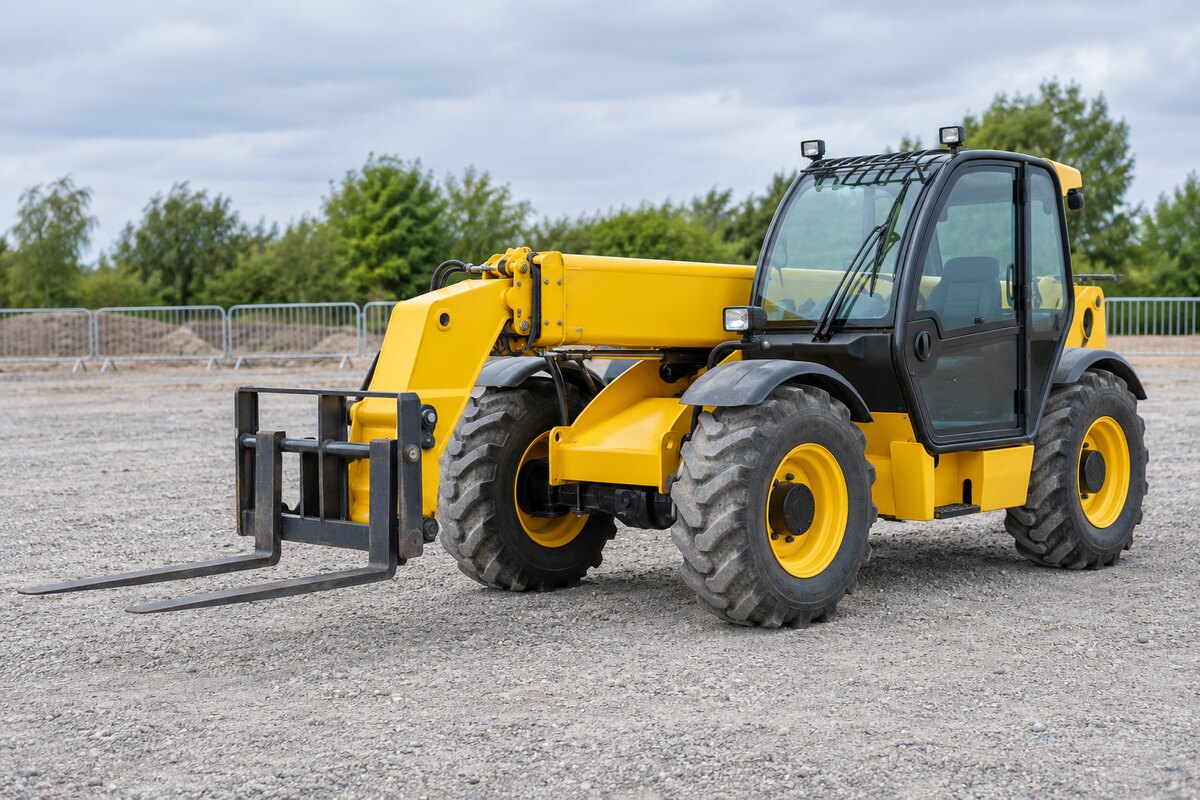
J2–J5 telescopic handler categories
Training can be arranged for rough-terrain and industrial telescopic-handler categories, including:
- J2: Rough-terrain telescopic handler with a lift height up to 9 metres
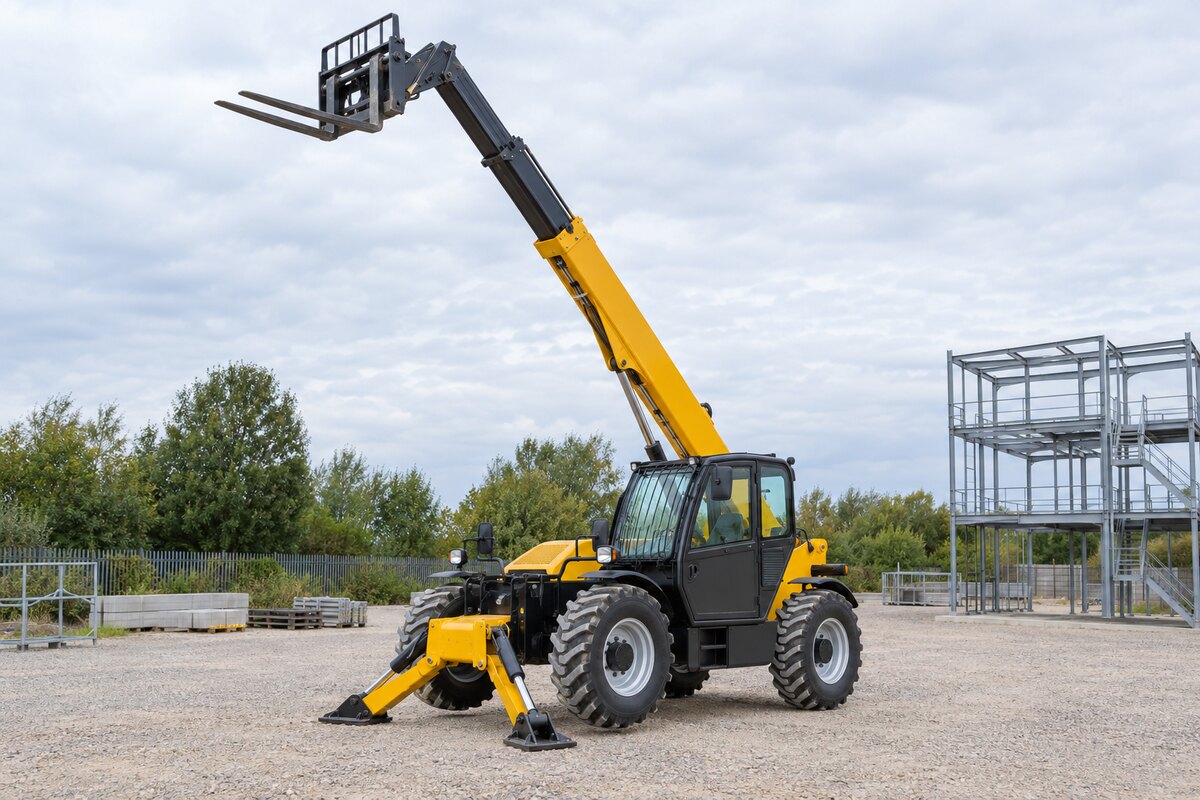
- J3: Rough-terrain high-lift telescopic handler with a lift height over 9 metres
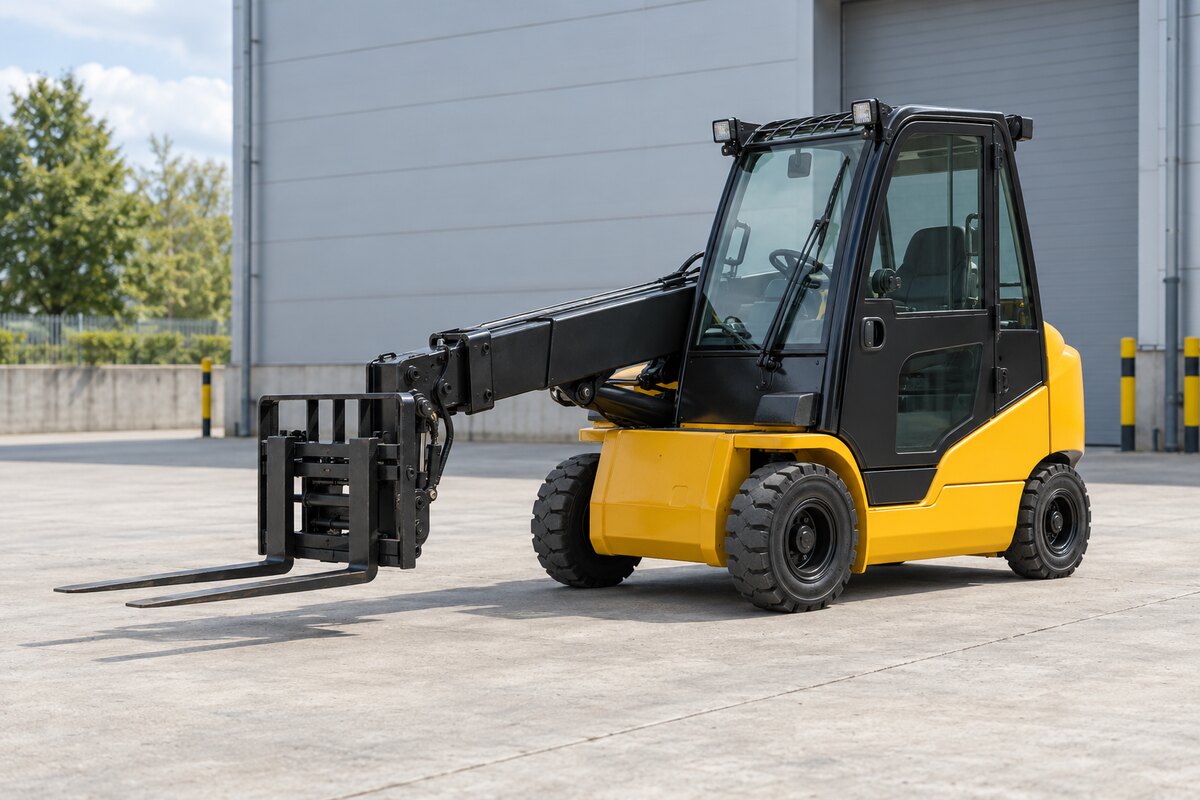
- J4: Industrial telescopic handler with a lift height up to 9 metres
- J5: Industrial high-lift telescopic handler with a lift height over 9 metres
Why J2, J3, J4 and J5 distinctions matter
MHE Training UK identifies J2, J3, J4 and J5 separately because rough-terrain versus industrial configuration and lift height can materially affect stability, visibility, boom use, ground assessment and the practical training required.
A category code on its own does not define competence on every telescopic handler. We confirm the actual machine, maximum lift height, boom reach, attachments and workplace task before agreeing the course so training is matched to the equipment operators will use.
| Category | Typical configuration | Key training focus |
|---|---|---|
| J2 | Rough-terrain up to 9 m | Ground conditions, boom reach and load placement |
| J3 | Rough-terrain over 9 m | Higher lift, extended boom and visibility management |
| J4 | Industrial up to 9 m | Indoor or yard operation, clearances and controlled positioning |
| J5 | Industrial over 9 m | High-lift placement, boom extension and restricted visibility |
Details we check before telehandler training
- Rough-terrain or industrial machine configuration
- Maximum lift height and boom reach
- Stabilisers or chassis-levelling systems where fitted
- Forks and any other attachments used at work
- Typical load, ground conditions and operating environment
- Previous operator training and experience
See HSE lift-truck training guidance. Please provide the machine make, model, maximum lift height and attachments when requesting a quotation so the correct training scope can be confirmed.
What telescopic handler training covers
- Operator responsibilities and site-specific hazards
- Machine stability and the effect of extending or raising the boom
- Capacity charts, load centres and safe working limits
- Pre-use inspection and correct defect-reporting procedures
- Safe mounting, starting, travelling and steering
- Ground conditions, gradients, overhead hazards and restricted areas
- Load assessment, pick-up, travel and accurate placement
- Use of stabilisers or chassis levelling where fitted
- Safe parking, boom retraction, shutdown and isolation
- Theory and practical operator assessment
Attachments and workplace tasks
The course is planned around the machine and attachments used at your workplace. Forks are commonly used for palletised loads, while other attachments can change the machine’s capacity, handling characteristics and safe operating method. Attachment requirements must therefore be discussed before training is confirmed.
Training does not replace the employer’s responsibility to provide suitable equipment, risk assessments, a safe training area and appropriate supervision.
Novice, refresher and conversion training
Course duration depends on previous experience, machine type, attachments, candidate numbers and the work to be covered. Novice operators require a fuller programme of theory and supervised practical training. Refresher training is intended for previously trained operators, while conversion training may be suitable for operators moving from another lift-truck category.
Telehandler course timings
For J2, J3, J4 and J5 telescopic handlers, minimum training and testing time depends on candidate experience and training ratio.
- Novice: 37.5 hours at 3:1, 30 hours at 2:1 or 22 hours at 1:1
- Existing operator: 20 hours at 3:1, 16.5 hours at 2:1 or 13 hours at 1:1
- Refresher: 7.5 hours at 3:1, 6.25 hours at 2:1 or 4.5 hours at 1:1
- Conversion: 15 hours at 3:1, 11.25 hours at 2:1 or 7.5 hours at 1:1
These are minimum training and testing times. Breaks are additional, and course length can increase where attachments, site tasks or operator development require more time.
Telescopic handler training FAQs
Can training be delivered on our own telehandler?
Yes. On-site training is normally matched to the actual machine, attachments, ground conditions and workplace tasks operators will carry out.
Do you cover both rough-terrain and industrial telehandlers?
Yes. Relevant J2, J3, J4 and J5 categories can be covered once the machine type, lift height and operating environment have been confirmed.
Do attachments affect the training?
Yes. Attachments can change capacity, load centre and operating technique, so the attachment must be identified before the course is agreed.
See the full forklift and MHE machine list for the wider range of equipment we train on.
Book telescopic handler training
Information to send before booking
- Machine make and model, plus whether it is rough-terrain or industrial.
- Maximum lift height, boom reach and rated capacity.
- Forks and any attachments used during normal work.
- Typical loads, ground conditions, gradients and operating environment.
- Candidate numbers, previous lift-truck or telehandler experience and preferred weekday or weekend dates.
Nationwide weekday and weekend training is available subject to our live diary, travel arrangements and site suitability.
Check current training availability or request a telescopic handler training quotation.
We also provide other MHE operator courses and specialist ALLMI Lorry Loader and Slinger/Signaller training.