
Forklift Pre-Use Checks | Operator Checklist & Guide UK
Daily-check guidance
A pre-use check helps find defects before the truck enters service. It must follow the manufacturer’s instructions and the employer’s procedure for the exact machine.
Start with identification and records
Confirm that the truck is the one you are authorised to use, the capacity/data plate is legible and the previous defect record has been reviewed. Any unresolved safety-critical defect should keep the machine out of service.
Walk-around checks
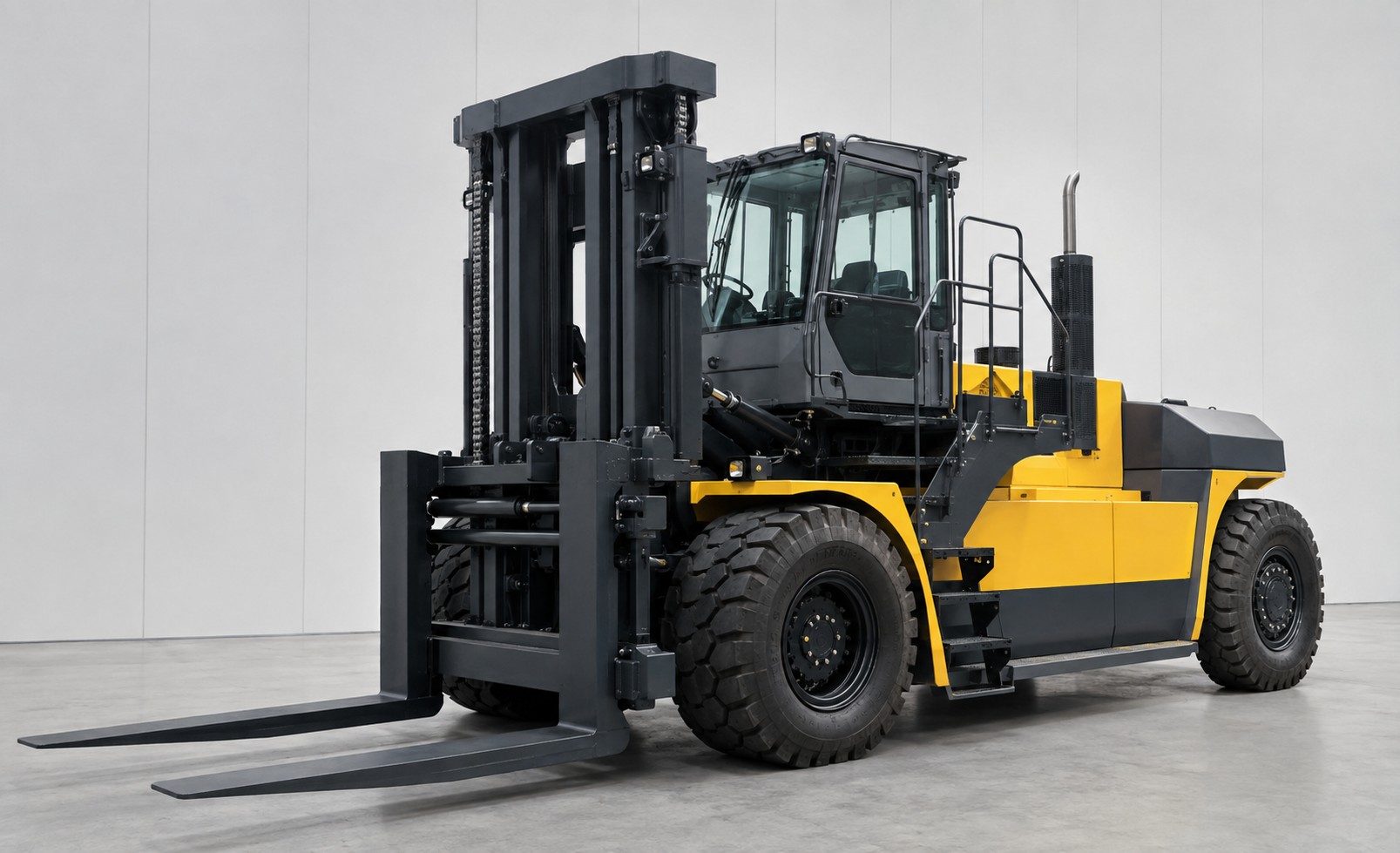
- Tyres, wheels, wheel nuts and visible damage.
- Fork arms, locking devices, heel wear, cracks and distortion.
- Mast, chains, rollers, hoses, cylinders and visible leaks.
- Load backrest, carriage and fitted attachments.
- Overhead guard, access steps, handholds and operator restraint.
- Battery or fuel system, connectors and obvious leaks or damage.
- Bodywork, counterweight and loose items that may affect safe use.
Functional checks
- Steering, service brake, parking brake and inching control where fitted.
- Lift, lower, tilt, reach, sideshift and attachment functions.
- Horn, lights, warning devices, displays and fault indicators.
- Emergency stop, presence systems and other manufacturer-specified safety devices.
- Unusual noise, vibration, delayed movement or hydraulic drift.
VNA and specialist equipment
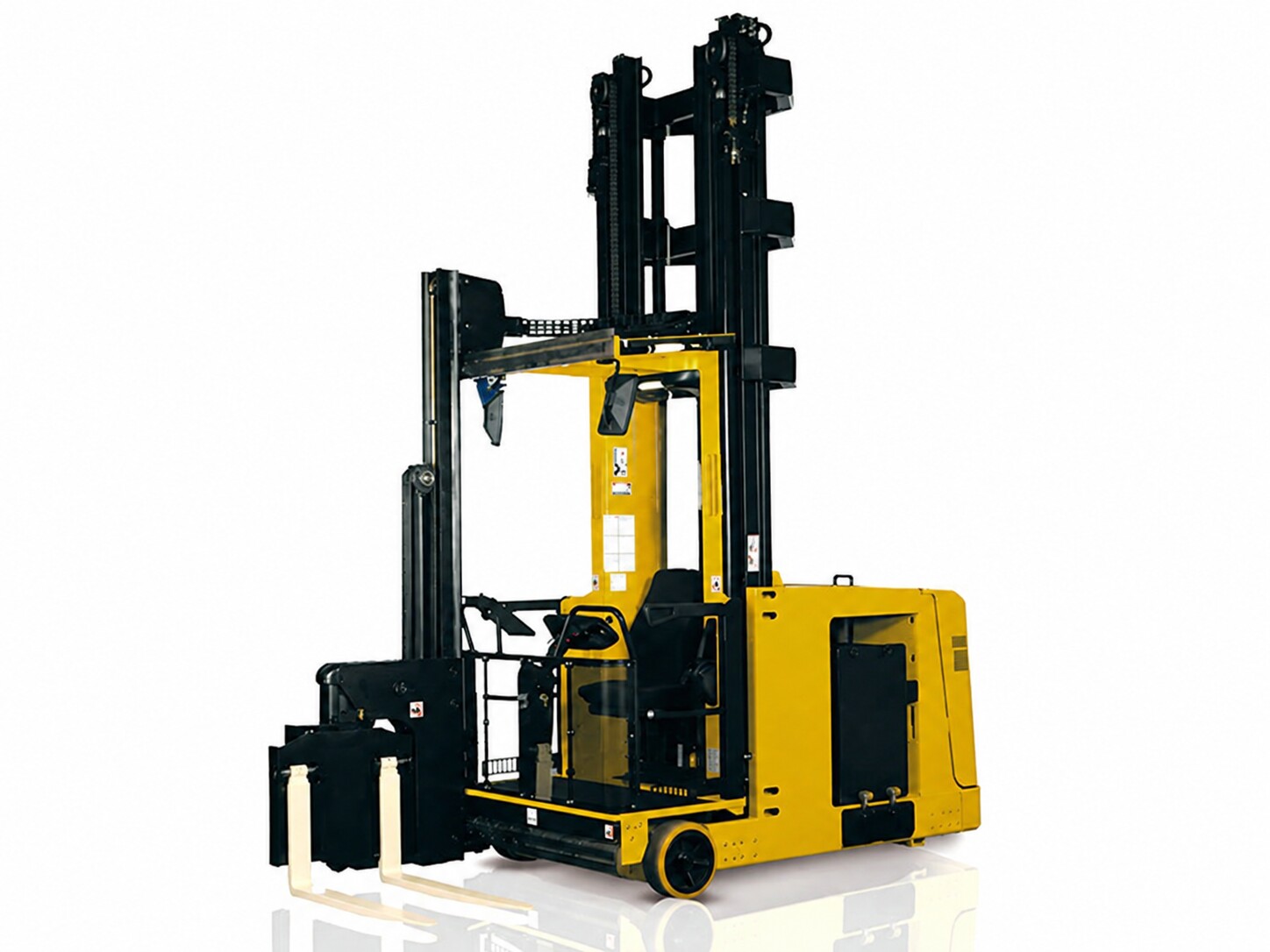
Additional checks may apply to aisle guidance, elevating operator positions, emergency lowering/manual descent, interlocks, fall-protection arrangements, spreaders or specialist attachments. Use the machine manual and site checklist; a generic forklift sheet may omit critical items.
What to do with a defect
Record it clearly, isolate or label the truck in line with site procedure, and report it to the authorised person. Operators should not decide that a safety defect is acceptable because production is busy. Repairs and return-to-service decisions belong to competent authorised personnel.
Training and supervision
Pre-use checks should be taught, practised and assessed during operator training, then reinforced through familiarisation and supervision. HSE guidance in L117 says the operator should check the lift truck at the beginning of each shift in line with the vehicle handbook, document the results and report defects that could affect safe operation.
Pre-use checks are not a thorough examination
A daily or pre-shift check is only one part of keeping a lift truck safe. It does not replace planned maintenance, regular safety inspection or the separate thorough-examination requirements that apply to lifting equipment. Employers need a system that links operator checks, defect reporting, repairs, routine maintenance and formal examination rather than relying on one checklist.
Pre-use check FAQs
How often should a forklift pre-use check be completed?
The operator should complete the required checks at the beginning of the shift, following the manufacturer’s handbook and site procedure. Additional checks may be appropriate if another operator takes over, the truck has been involved in an incident or its condition changes.
Should the results be recorded?
Yes. A simple documented check creates a clear defect trail and helps supervisors confirm that unsafe equipment has been reported and dealt with before it returns to service.
Does passing a pre-use check mean the truck is fully compliant?
No. It does not replace servicing, planned maintenance, regular inspection or thorough examination. Each control has a different purpose.
See the HSE’s lift-truck guidance, our MHE course options or refresher training if checks are being missed or standards have deteriorated.
Arrange training at your site
Tell us the machine type, candidate experience, postcode and preferred dates. We will confirm the right course route, duration, site requirements and total price before you book.
Arrange practical operator training View weekday and weekend availability