
ALLMI Operator vs Slinger/Signaller Training | UK Guide
Two roles in one lifting operation
The person operating a lorry loader and the person attaching or directing its load have different responsibilities. The right training depends on the tasks each person actually performs on site.
What does the Lorry Loader Operator do?
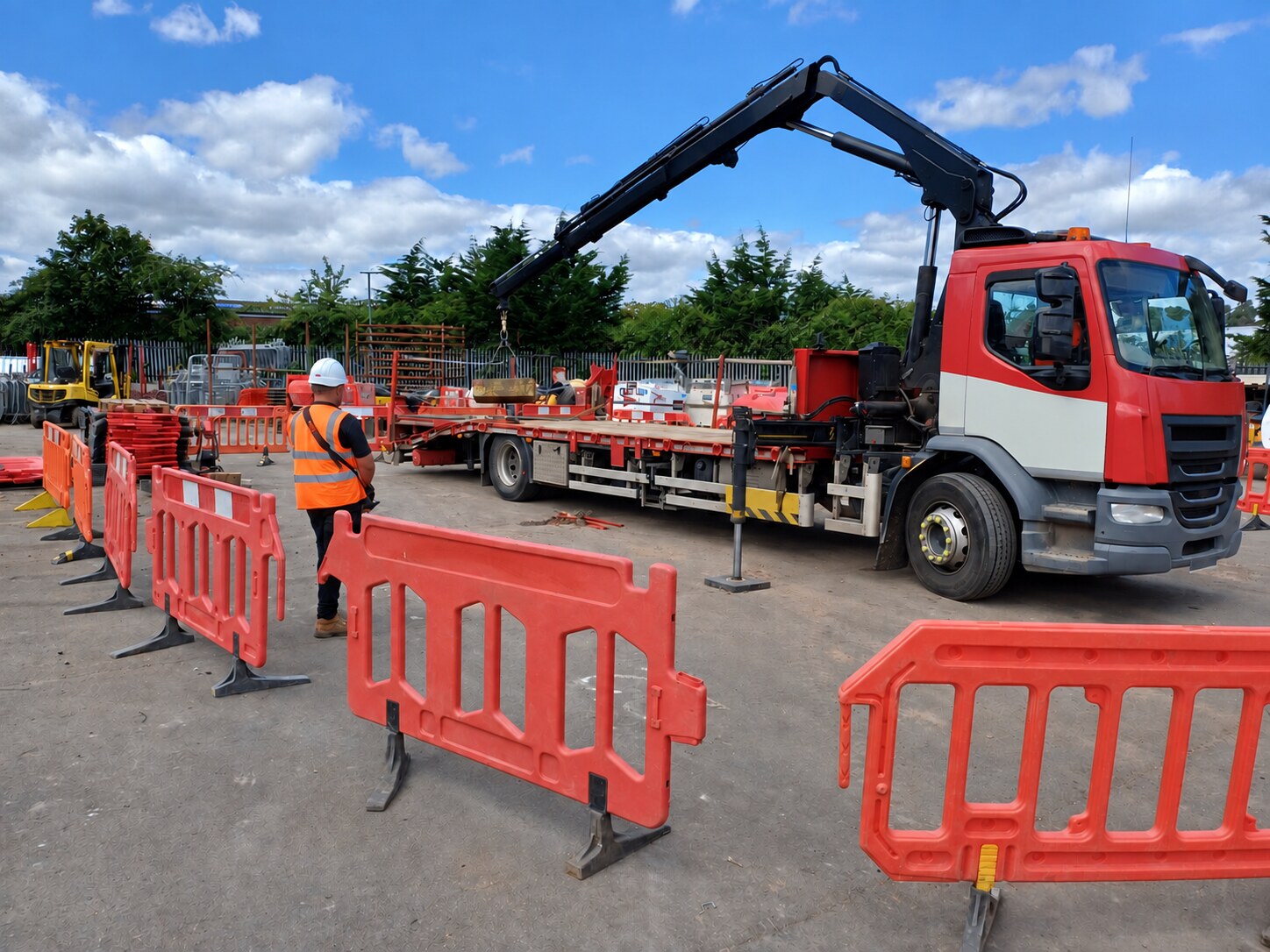
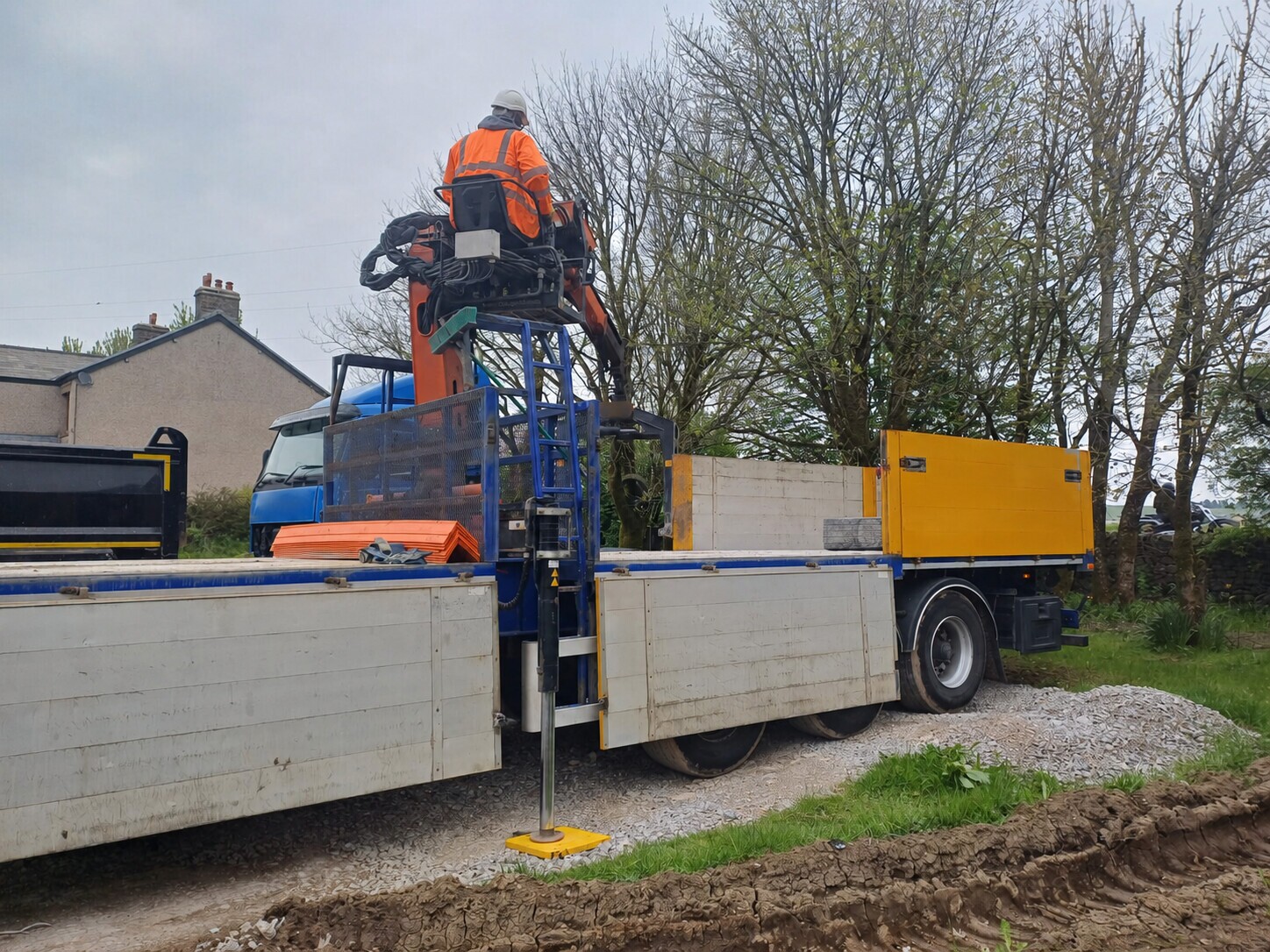
The operator controls the loader crane and is responsible for using the machine within its operating limits. Training focuses on the loader itself and the decisions needed before, during and after a lift.
- Pre-use inspection and defect reporting.
- Vehicle positioning and assessment of the working area.
- Stabiliser deployment and safe configuration.
- Understanding rated capacity information and the effect of working radius.
- Using the correct controls and safety devices.
- Maintaining control of the lifting area.
- Safe stowage of the loader after use.
The operator must also understand communication with other members of the lifting team and know when a lift should be stopped because conditions are no longer safe.
What does the Slinger / Signaller do?
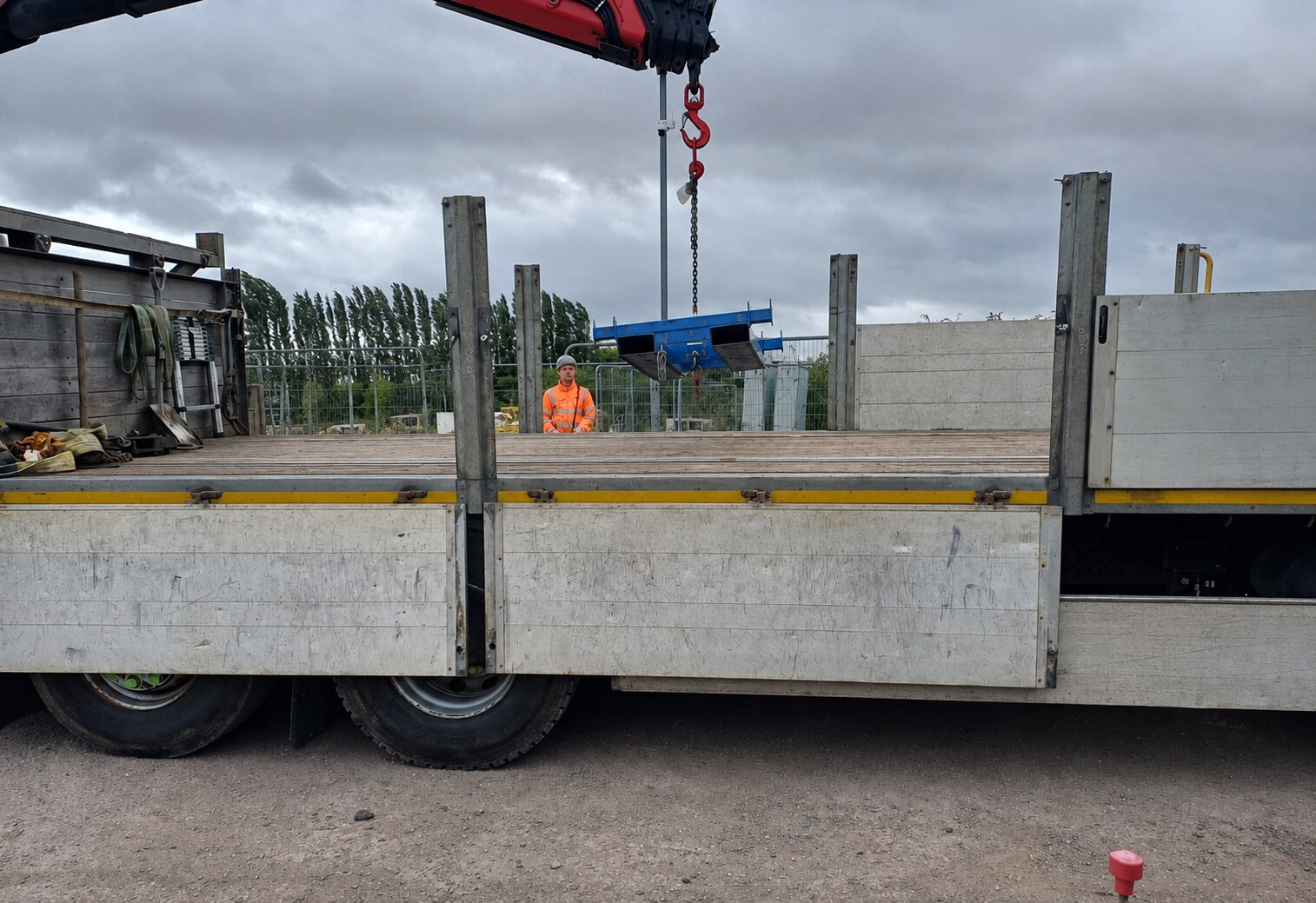
The Slinger / Signaller works primarily with the load rather than the loader controls. The role may include preparing the load, selecting suitable lifting accessories, attaching and detaching the load and giving clear signals to the operator.
- Assessing the load before lifting.
- Selecting and checking lifting accessories.
- Choosing a suitable method of attachment.
- Connecting and disconnecting the load safely.
- Keeping people clear of the lifting area.
- Using clear agreed signals.
- Directing the operator during restricted-visibility or blind lifts.
Operator vs Slinger / Signaller: task comparison
| Task | Operator course | Slinger / Signaller course |
|---|---|---|
| Operate loader controls | Primary focus | Not the primary role |
| Configure stabilisers and loader | Primary focus | Awareness and teamwork |
| Select lifting accessories | Awareness relevant to the operator role | Primary focus |
| Attach and detach loads | Not automatically a separate competence | Primary focus |
| Direct a blind lift | Receives and acts on signals | Plans communication and signals |
Can one person need both courses?
Yes. A driver may operate the lorry loader and also prepare, attach or direct loads at different stages of the same job. That does not make the two competencies identical. Employers should look at the real task rather than relying on the job title alone.
For example, an operator who only controls the loader while another trained person attaches the load has a different role from a driver who arrives alone, selects lifting accessories, attaches the load and then operates the crane. The second situation may require competence across both functions.
Which course does your team need?
Use this simple checklist before booking:
- Who operates the loader controls? That person needs training for the loader operator role.
- Who selects and inspects the lifting accessories? That points towards the Slinger / Signaller role.
- Who physically attaches and detaches the load? Include that task when deciding training requirements.
- Who gives signals during restricted-visibility lifts? The person directing the operator needs suitable signalling competence.
- Will duties change at customer sites? Training should cover the tasks the person may genuinely be expected to perform.
What should be prepared before training?
Before the course, confirm the loader type, attachments in use, candidate experience, typical loads and the practical training area. The equipment should be serviceable and relevant documentation should be available. For Slinger / Signaller training, suitable lifting accessories and representative loads should also be available for the practical exercises.
See our ALLMI Lorry Loader Operator training and ALLMI Slinger / Signaller training pages for the individual course options.
Frequently asked questions
Does an operator card automatically cover slinging and signalling?
No. Operator training and Slinger / Signaller training address different functions. The employer should identify the actual duties being carried out and make sure the person is trained for those duties.
Can the same employee perform both roles?
Yes, provided the employee is trained and competent for each role they are expected to perform.
What if we are unsure which course to book?
Describe the equipment, the loads, who attaches them and who operates the loader. We can then help identify the appropriate training route before a booking is made.
Find the right ALLMI course locally
Use the ALLMI training by county directory to find local Operator and Slinger / Signaller information across England. Compare ALLMI training costs and group prices, then check live weekday and weekend course dates.
Arrange training at your site
Tell us the machine type, candidate experience, postcode and preferred dates. We will confirm the right course route, duration, site requirements and total price before you book.
Confirm the ALLMI roles your team needs View weekday and weekend availability