
A machinery delivery at a working mill
Hawick’s knitwear industry gives a useful example of two very different deliveries. Cartons of finished knitwear can leave a mill on pallets. A replacement knitting machine may arrive by lorry loader. At a premises with a factory shop, such as the mix of uses on Arthur Street, identify the goods entrance when requesting training and tell us when it is available for the practical session.
Who needs which course?
A mill may have people available to receive a replacement knitting machine long before a delivery lorry can be released. Reserve the crane vehicle first. Then tell us who operates it and whether an employee from the mill is responsible for attaching the machine or signalling. We can quote the two ALLMI roles on that basis.
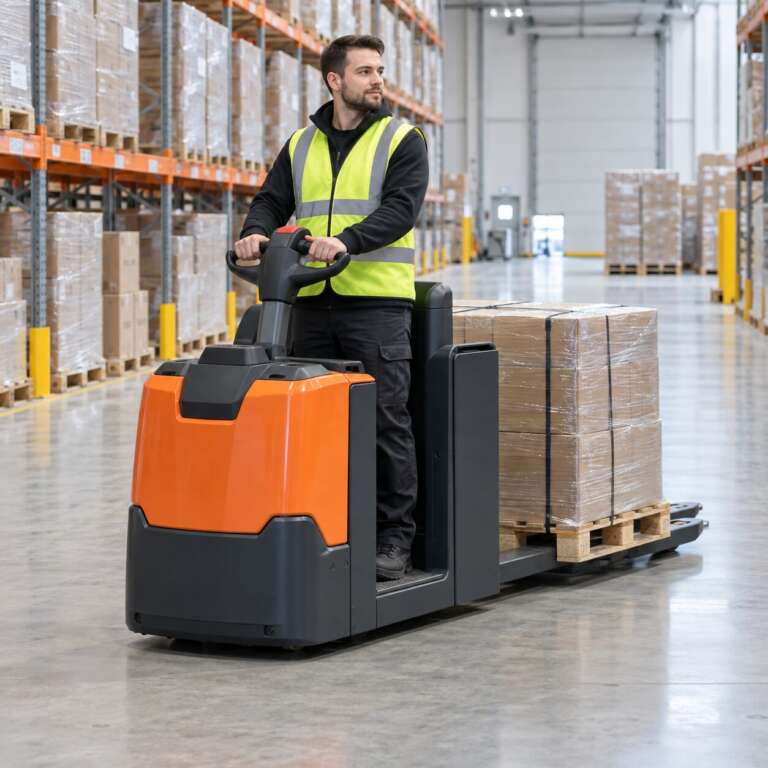
For goods-out staff, describe how a pallet of cartons gets from the packing bench to dispatch. A pedestrian pallet truck and a rider-operated truck call for different booking details. Send the make and model so we can select the right pallet truck or stacker course.
Knitwear cartons and spirit consignments
The Borders Distillery has a production address on Commercial Road. Alongside Hawick’s textile trade, that gives two quite different dispatch examples. A lightweight carton stack and a pallet of bottled product can use similar-looking transport but put different demands on the truck operator. Describe the normal load and its packaging when reserving the practical session. If you are booking a crane crew to move production plant, identify that as a separate job.
Local records · The Borders Distillery
Costing a Hawick course
Training takes place on site on weekdays or weekends. ALLMI costs £400 per day plus £50 per candidate for books. Forklift and powered pallet truck training costs £300 per day. No VAT is added. Choose dates around your goods-in and dispatch shifts or browse on-site training across Scotland.