
Overhead crane training is tailored to the crane, controls, loads and lifting tasks used in your workplace. Courses can be planned around pendant-controlled, remote-controlled and other suitable overhead or gantry-crane arrangements where the equipment and training area are appropriate.
Where an operator also selects lifting accessories, attaches loads or directs crane movements, tell us before booking so the required slinging and signalling scope can be included in the training plan. Crane operation and load-handling duties should be matched to the person’s actual workplace responsibilities.
The theory session covers the principles and hazards that support safe lifting. During practical training, candidates learn to lift different loads with the overhead crane and carry out the necessary checks before each lift.
Candidates learn the importance of planning the complete route—from initial lift through travel to final placement—and keeping the load as low as practicable.
They also learn how to prevent and control load swing, helping them operate the overhead crane safely and confidently.
On-site overhead crane training
Our overhead crane course is delivered at the customer’s premises using suitable crane equipment and a safe training area. It can be arranged for new operators, experienced users who need formal instruction, or trained operators requiring refresher training.
What operators learn
- Operator responsibilities, lifting hazards and safe systems of work
- Crane controls, rated capacity and operating limitations
- Pre-use checks of the crane, controls and lifting accessories
- Basic load assessment and selection of suitable lifting points
- Planning the travel route and keeping people clear of suspended loads
- Controlled lifting, travelling, lowering and accurate placement
- Preventing and controlling load swing
- Safe shutdown and reporting equipment defects
Where slinging forms part of the operator’s duties, the required scope should be discussed before booking so the course can be planned around the equipment, lifting accessories and tasks used at your workplace.
Overhead and workplace crane categories
- R0 Hoist Crane
- R1 Pendant-Controlled Overhead Crane
- R2 Remote-Controlled Overhead Crane
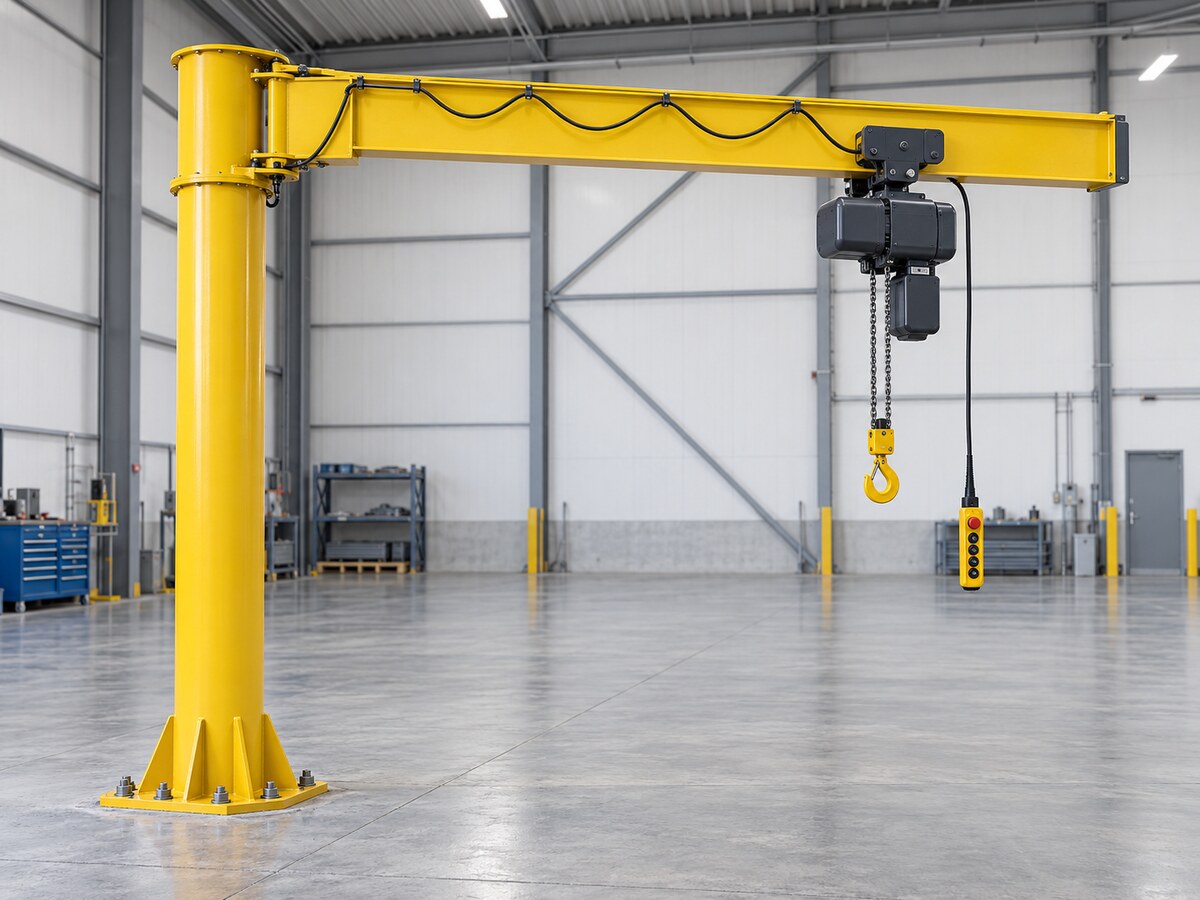
- R4 Jib Crane
Training is matched to the actual crane, control method, rated capacity and lifting duties used on site. See the full machine and equipment list for the wider MHE range.
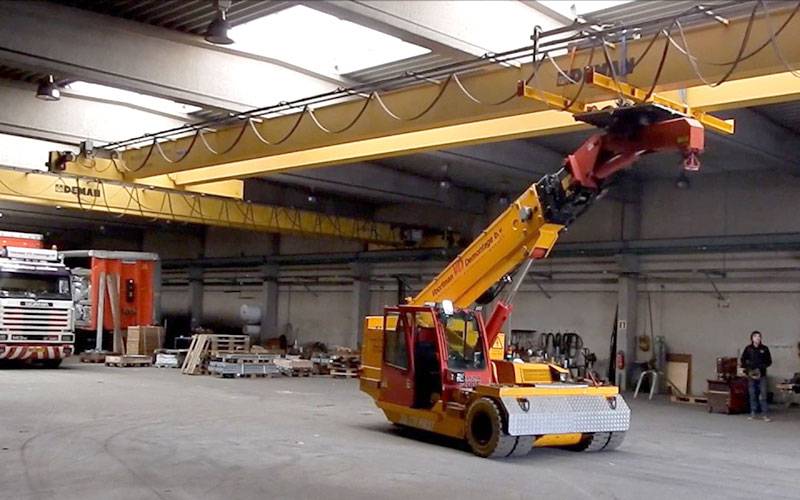
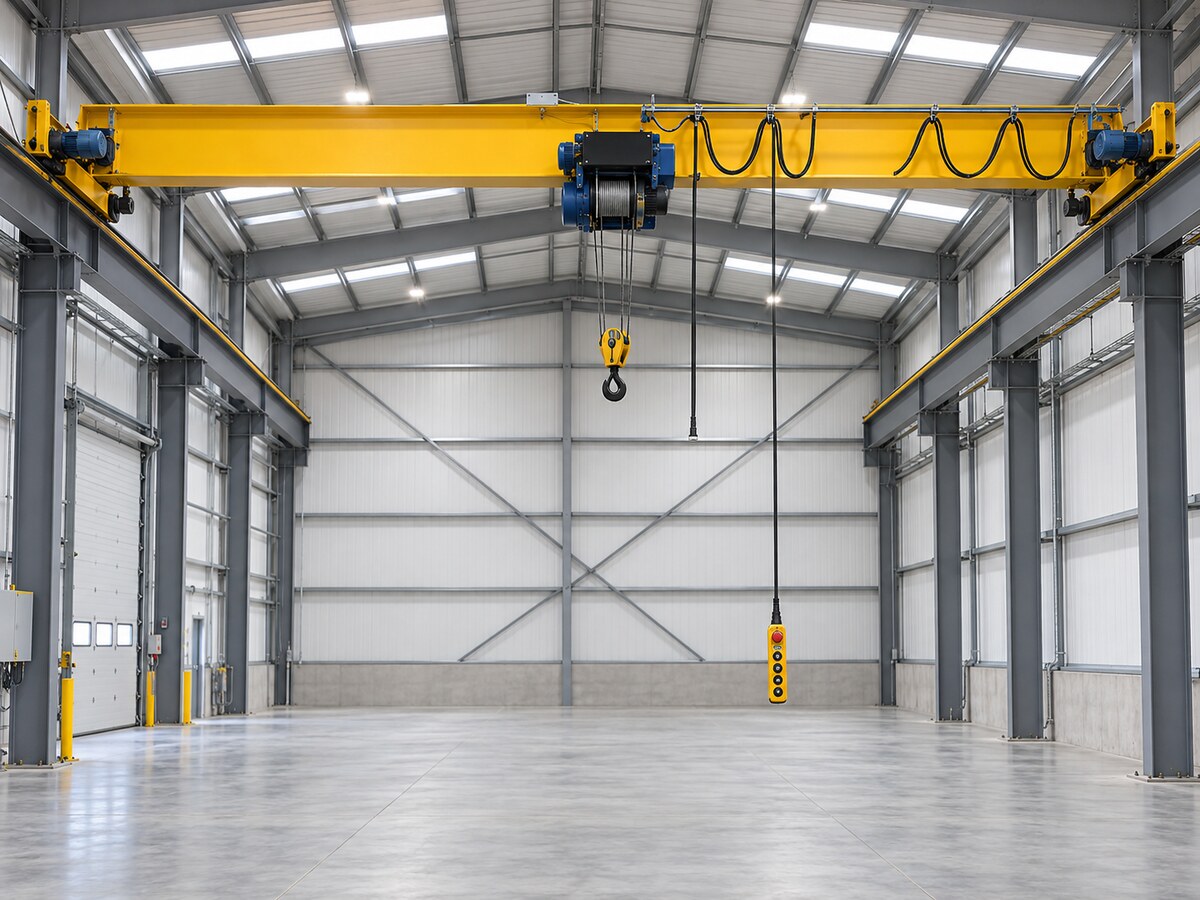
R0, R1, R2 and R4 crane differences
The control method and crane layout change how the operator positions themselves, observes the load and manages the travel path. We therefore match the course to the actual crane rather than treating all workplace cranes as interchangeable.
| Category | Typical equipment | Training emphasis |
|---|---|---|
| R0 | Hoist crane | Vertical lifting, hook approach, side-pull avoidance and controlled landing |
| R1 | Pendant-controlled overhead crane | Directional orientation, operator position, load following and pendant-cable management |
| R2 | Remote-controlled overhead crane | Line of sight, transmitter control, safe operator position and load travel |
| R4 | Jib crane | Slew arc, local lifting zone, side-pull avoidance and trapping hazards |
Details we confirm before overhead-crane training
- Crane type and control method
- Rated capacity and operating limits
- Typical loads and lifting points
- Lifting accessories used on site
- Travel path, obstructions and pedestrian interfaces
- Whether the operator also slings/signals loads
- Candidate experience and previous training
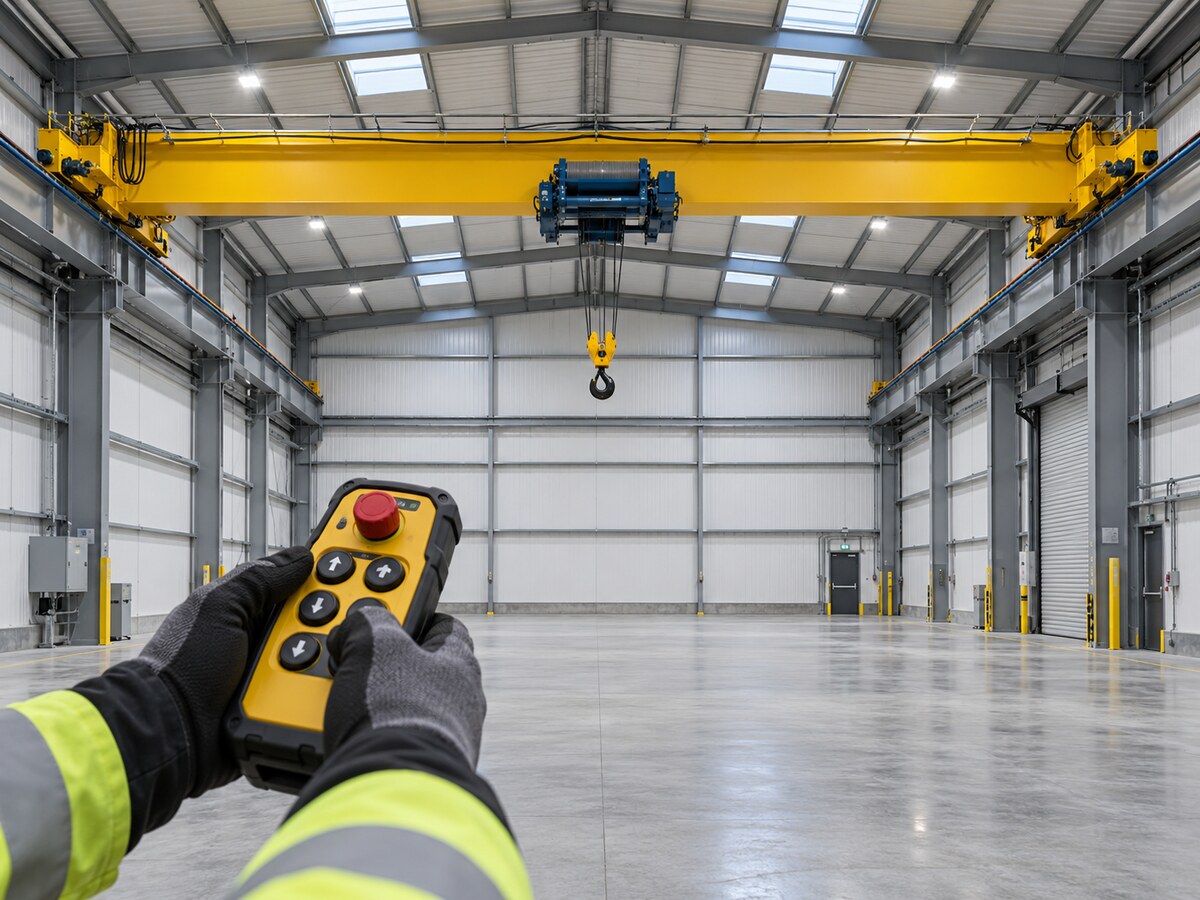
Practical, workplace-focused instruction
The programme is tailored to the crane type, controls, loads and operating environment available on site. Duration depends on candidate experience and the number of people being trained. Each candidate completes theory and practical assessment appropriate to the agreed course.
Preparing your site for overhead crane training
Before the course, make sure the crane is serviceable, available for the full training period and positioned in an area where practical exercises can be completed without interference from normal production or pedestrian traffic.
- Provide representative loads that candidates normally lift.
- Make the lifting accessories used on site available for inspection and practical exercises.
- Identify restricted areas, obstructions, blind spots and pedestrian routes that affect normal crane movements.
- Confirm whether candidates are expected to select accessories, sling loads or give signals as part of their normal duties.
- Have the crane documentation, safe working load information and site lifting procedures available.
This allows the course to concentrate on the lifting tasks candidates actually perform and makes the practical assessment more relevant to the workplace.
Overhead crane training FAQs
Can training be delivered on our own overhead crane?
Yes, provided the crane is suitable and serviceable and there is a safe practical area with representative loads. Using the workplace crane allows training to reflect the actual controls, travel path and lifting tasks candidates will use.
Does crane-operator training also cover slinging and signalling?
The required scope depends on the person’s duties. If candidates select lifting accessories, attach loads or direct crane movements, tell us before booking so those responsibilities can be included and the correct training route can be agreed.
What information should we provide before booking?
Send the crane type, control method, rated capacity, typical loads, candidate numbers and previous experience, together with the site postcode and preferred weekday or weekend dates.
Check available training dates, view the full machine list or request an overhead crane course quotation.